


Women's winter pyjamas should be chosen with more than the season in mind. The temperature of your bedroom, the bedding you use and how warm you feel at night are just as important. For colder nights, long trousers, long sleeves and a suitably thick fabric are often a good starting point. The fit matters too: your pyjamas should allow you to move comfortably in bed without feeling restrictive or bulky.
Key things to know
- Winter pyjamas don't have to be the thickest ones available. Choose according to your bedroom temperature and the warmth of your duvet.
- Long trousers and long sleeves provide more coverage than short pyjama sets.
- Cotton, viscose, fleece and satin differ in how they feel against the skin, as well as in their appearance and typical uses.
- Comfortable sleepwear should allow you to bend your knees, raise your arms and turn over without the fabric pulling.
- Before buying, check the elasticated waistband, seams, cuffs and fastenings, rather than focusing on the style alone.
Autumn or winter pyjamas: what's the difference?
There isn't always a clear distinction between autumn and winter pyjamas. In a well-heated home, your bedroom may stay at a similar temperature throughout both seasons. What really changes is how much coverage and insulation you need to feel comfortable while sleeping.
During autumn, a lightweight set from a collection of women's pyjamas may be enough, particularly if it has long trousers or a thin long-sleeved top. As the nights get colder, you might prefer a more covering style made from a thicker fabric.
Don't choose your sleepwear based on the word 'winter' alone. The length of the pyjamas, fabric thickness, room temperature and type of duvet all affect how warm you feel at night.
Which pyjama styles work best for colder nights?
When choosing pyjamas for autumn and winter, it's worth starting with the cut. More coverage doesn't have to mean heavy fabric or a tight fit. A suitable set should keep you comfortable while allowing you to change position naturally during the night.
Long trousers and long sleeves
A pyjama set with long trousers and long sleeves is one of the most versatile options for cooler weather. It covers your arms and legs, reducing how much skin becomes exposed when you move beneath the duvet.
You don't necessarily need a very thick fabric to get better coverage. A lightweight long-sleeved set may be enough for a moderately heated bedroom, while a warmer material can be more useful when the room is noticeably cooler.
If you prefer cosier sleepwear, a fleece pyjama set is worth considering. The Pelie design includes a long-sleeved hooded top and matching bottoms in a soft fleece fabric. Its hooded style makes it particularly suitable for relaxed evenings at home, although you should also consider whether you find a hood comfortable when lying down.
A relaxed fit without too much extra fabric
Pyjamas shouldn't fit too tightly around your hips, thighs or shoulders. Your body moves into different positions when you sleep, so a little extra room helps you turn over and stretch without feeling restricted.
That doesn't mean choosing a set several sizes too big. Very wide trouser legs or an oversized top can twist and bunch up as you move in bed.
The best approach is to look for a relaxed fit that gives you room to move without unnecessary bulk. Your pyjamas should feel comfortable whether you're lying on your back, side or front.
Which fabric should you choose for winter pyjamas?
The right fabric depends on how warm your bedroom is and what feels comfortable against your skin. The fibre name alone doesn't tell you how warm a pair of pyjamas will be. Fabric weight, weave or knit construction, and the overall design also make a difference.
Here's how the most common pyjama fabrics compare.
| Fabric | How it feels | Best suited to | What to check |
|---|---|---|---|
| Cotton | Soft, with a feel that varies from light to substantial depending on the fabric | Everyday wear and anyone who prefers a natural fibre | Cotton alone doesn't mean a pyjama set is warm |
| Viscose | Usually soft, smooth and lightweight | Warmer bedrooms or people who dislike heavy fabrics | Fabric thickness and any other fibres in the blend |
| Fleece | Soft, fluffy and often more insulating | Cooler bedrooms and those who prefer warmer sleepwear | Fleece fabrics come in different weights and thicknesses |
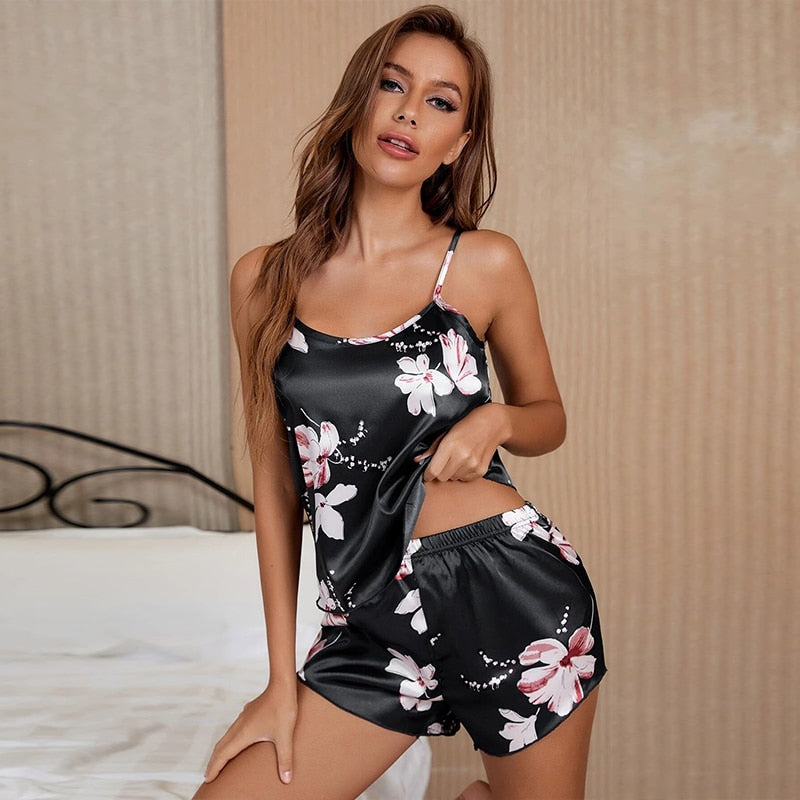
| Satin | Smooth, often light and fluid | Warmer bedrooms and those who prefer lighter styles | Satin is a weave, so always check the fibre composition |
| Fibre blends | Varies according to the fibres used and their proportions | Those looking for a particular amount of stretch or drape | Consider the full composition rather than a single fibre |
Cotton
A women's cotton pyjama set can be a practical choice if you prefer a natural fibre and want something to wear regularly. Cotton absorbs moisture and can be made into fabrics with very different weights and textures.
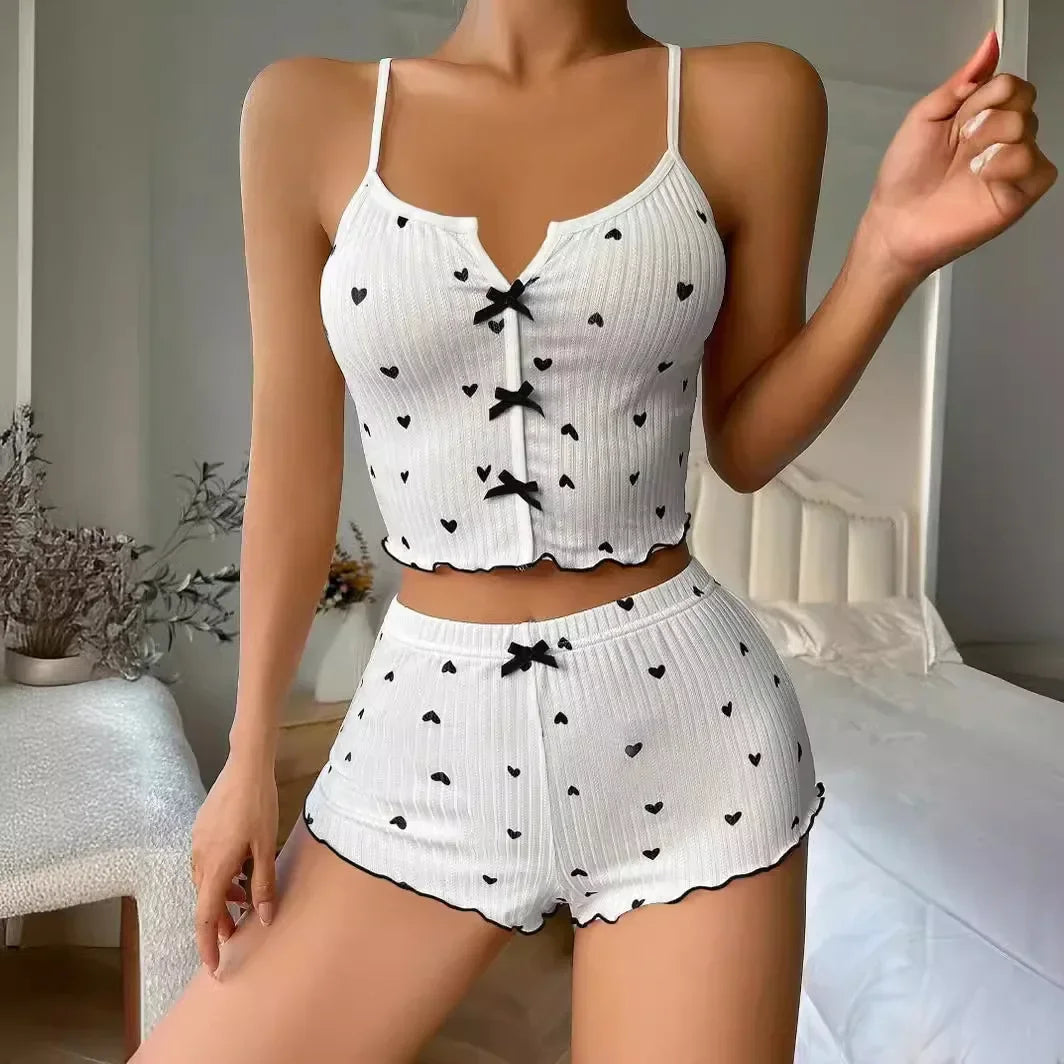
However, the fabric needs to be considered alongside the design. A cotton set with a shirt and shorts, for example, provides different coverage from a thicker set with long trousers and long sleeves.
Cotton doesn't automatically make a set suitable for winter. The thickness, cut and amount of coverage are just as important when deciding whether a particular pair of pyjamas will suit colder nights.
Viscose
Viscose is a regenerated cellulose fibre used to produce fabrics that are often smooth, soft and lightweight. It also absorbs moisture, making it a material worth considering for sleepwear.
Viscose can be useful if you want long pyjamas without the weight of a thick fabric. In a well-heated bedroom, a lightweight viscose set may feel more comfortable than something designed to provide a high level of insulation.
For particularly cold nights, however, viscose alone doesn't guarantee enough warmth. Look at the fabric thickness, sleeve and trouser length, and the full fibre composition.
Fleece
Fleece has a soft, raised structure that traps air within the fabric, helping to provide insulation. As a result, it can offer more warmth than the thin fabrics commonly used in lightweight pyjamas.
It can be particularly useful in a cooler bedroom or if you simply prefer sleeping in warmer clothing. However, different fleece fabrics vary in thickness, so not every fleece set will feel equally warm.
If your bedroom is well heated and you sleep under a thick duvet, heavy fleece pyjamas may be warmer than you need. It's better to choose according to your sleeping conditions rather than assuming that thicker is always better.
Satin and fibre blends
Satin is known for its smooth surface and the way it falls against the body. It's often chosen for its appearance and the light, flowing feel of many satin pyjama sets.
Satin isn't a specific fibre. It's a type of weave that can be produced using different materials, so a satin pyjama set isn't necessarily made from silk. Always check the actual fibre composition before buying.
Lightweight satin pyjamas can still work in winter, especially in a well-heated bedroom. They shouldn't, however, be expected to provide the same insulation as a thick fleece set.
Fibre blends are also worth assessing on their own merits. A small amount of an elastic fibre, such as elastane, can influence how much the fabric stretches. The overall composition and construction matter more than the presence of any single fibre.
How to choose pyjamas for your bedroom temperature
There isn't one particular temperature at which everyone needs to switch to winter pyjamas. How warm you feel during sleep depends on several things: the room temperature, your sleepwear, bedding and personal preferences.
In a cooler bedroom, long trousers, long sleeves and a thicker fabric can help provide more coverage and insulation. In a warmer room, a similar long-sleeved style made from lightweight cotton or viscose may be enough.
You don't automatically need the warmest pyjamas available simply because it's winter. If your bedroom is well heated and you sleep beneath a warm duvet, a very thick fleece set might feel excessive.
Choose your pyjamas for your sleeping conditions, not just the season.
A cooler bedroom may call for longer, thicker sleepwear. If your room stays warm, a lighter set could be the more comfortable option.
What details should you check before buying pyjamas?
Small details can make a surprising difference when you're wearing pyjamas for several hours. A waistband, seam or fastening shouldn't dig into your skin or make you feel the need to keep adjusting your clothes as you change position.
Elasticated waistbands and cuffs
An elasticated waistband should hold the trousers in place without pressing too firmly against your stomach when you sit or lie down. If it's too loose, the trousers may slip; if it's too tight, it could become uncomfortable throughout the night.
Cuffed trouser legs can help keep long pyjama bottoms around your ankles rather than allowing them to ride up. They're particularly useful if your trouser legs tend to move upwards while you sleep.
However, the cuffs should still feel soft and comfortable. They shouldn't put excessive pressure on your ankles or calves.
Seams and fastenings
Pay attention to the seams around the underarms, inner thighs and waistband. Thick or stiff seams can be more noticeable when you're lying down than when you're standing.
If the top has buttons, zips or other fastenings, think about where they sit against your body. A button that feels perfectly comfortable while you're walking around might be less pleasant when sleeping on your front or side.
For nightwear, it generally makes sense to prioritise soft finishes and details that won't interfere with your usual sleeping position.
How to choose the right pyjama size
Pyjamas shouldn't be chosen solely on how they look in the mirror. The right size should allow you to bend your knees, lift your arms and turn over without the fabric pulling tightly.
When shopping online, compare your measurements with the size guide for the particular design. Bust, waist and hip measurements are usually the most useful starting points. For long pyjamas, check the sleeve and trouser lengths too.
If the fabric pulls across your hips or thighs when you bend your legs, the size or cut may be too restrictive. On the other hand, choosing a much larger size doesn't always improve comfort, as excess material can twist and bunch up while you sleep.
A good fit should leave you free to move without having to pull your top down or readjust your trousers throughout the night.
Pyjamas or loungewear: what's better for sleeping?
Two-piece women's pyjamas can be useful beyond bedtime. They're often comfortable enough to wear during a quiet evening, a relaxed morning or while getting ready for the day.
If you want a set that works both for sleeping and relaxing at home, you might also consider the design of the top, whether it has pockets and how much coverage it provides.
However, not every outfit from a range of loungewear sets is equally suitable for sleeping. A large hood, thick zip or raised decorative detail may be practical for lounging on the sofa but uncomfortable once you lie down.
If you want one set for both purposes, comfort during sleep should come first. Features that make it useful for wearing around the house are a secondary consideration.
It's also worth distinguishing pyjamas from nightdresses and other forms of women's nightwear. Each offers different levels of coverage and freedom of movement, so the most suitable option depends on how you prefer to sleep.
How to wash and care for your pyjamas
Always follow the care instructions on the garment's label. These explain the permitted washing temperature, whether tumble drying is suitable and any ironing restrictions.
Don't choose a wash programme based on just one fibre in the composition. Fibre blends, fabric finishes, prints and decorative details can all affect how the entire garment needs to be cared for.
Before washing, it's also sensible to fasten buttons and other closures, and keep delicate fabrics away from garments with hook-and-loop fastenings or sharp zips that could catch on the surface.
Following the manufacturer's care instructions helps protect the fabric's appearance and fit over time.
FAQ
What are the best women's pyjamas for winter?
The best winter pyjamas are those that suit your bedroom temperature. Long trousers, long sleeves and thicker fabric can work well in a cooler room, while a lightweight set may be enough if your bedroom is well heated.
Which fabric is best for winter pyjamas?
It depends on how warm your bedroom is. Cotton and viscose can suit moderately warm rooms, while fleece may be preferable when you need more insulation. Fabric thickness and the overall design are important in every case.
Are cotton pyjamas good for winter?
Yes, provided the thickness and style are suitable for your sleeping conditions. A lightweight cotton set with shorts offers less coverage than a thicker set with long trousers and sleeves. Cotton content alone doesn't determine how warm the pyjamas will be.
Can you sleep in fleece pyjamas?
Yes. Fleece pyjamas can be comfortable in a cooler bedroom or if you prefer warmer sleepwear. In a well-heated room, however, a lighter fabric may feel better. Choose a style that also allows you to move comfortably.
Are satin pyjamas suitable for winter?
Lightweight satin pyjamas can be suitable for winter if your bedroom is warm. If you want more coverage, look for a long-sleeved style with full-length trousers and check the fabric composition and thickness.
How loose should pyjamas be for sleeping?
They should allow you to bend your legs, raise your arms and turn over without the fabric pulling. They don't need to be extremely loose, as too much material can twist or bunch up while you sleep.
Are pyjamas with cuffed ankles comfortable?
Cuffed ankles can help prevent long trouser legs from riding up during sleep. The cuffs should be soft and loose enough not to put excessive pressure around your ankles or calves.
Sources and further reading
- Journal of Sleep Research, How do sleepwear and bedding fibre types affect sleep quality: A systematic review.
- Polartec, Fleece Series.
- Lenzing, LENZING™ Viscose.
- GINETEX, Care symbols.


